Electric cars in the Canary Islands: why the islands are the ideal place to make the switch
The thing that puts most people off is range. In the Canary Islands that worry takes care of itself: on an ordinary day it is hard to cover enough ground to flatten a modern battery.
The objection we hear almost every day in the showroom is always the same: “I like it, but I’m worried about being left stranded.” It is a fair concern on the mainland, where a work trip can mean three hundred kilometres. In the Canary Islands the conversation is a different one, and it is worth explaining why.
The geography is on your side
Gran Canaria measures about fifty kilometres from north to south. Tenerife, the largest island in the archipelago, is around eighty along its longest axis. A modern mid-range electric car comfortably clears three hundred real-world kilometres between charges. That means most drivers on the islands can go a whole week without plugging the car in anywhere except at home, overnight.
How you actually use the car matters more than the range figure in the brochure. If your usual run is Las Palmas to Telde, or Santa Cruz to La Laguna, an electric car is not going to make you change your habits. It will just save you the weekly trip to the petrol station.
The climate helps more than you would think
Lithium-ion batteries lose performance in the cold. It is why the same car returns less real range in Burgos in January than it does on paper. That problem does not exist here: mild temperatures all year round keep the battery in its comfort zone, and the figure you see on the dashboard is a great deal closer to the one you were promised.
There is a fair counter-argument: sustained summer heat in the south of the islands, combined with frequent rapid charging. Neither of those destroys a battery, but it is worth knowing if the car has spent its life plugged into high-power chargers.
What to check on a used electric car
A used electric car is checked differently from a petrol or diesel one. There is no clutch, no cambelt, and no exhaust to corrode in the salt air. What you do need to look at is this:
The battery warranty
Manufacturers cover the battery for a good many more years than the rest of the car, and that warranty usually travels with the car rather than the owner. On a three- or four-year-old car there is a good part of it still to run. Check how much.
How fast it will charge
Two cars with the same battery can take very different times to charge: one twice as long as the other. It is a figure almost nobody looks at when buying, and one you notice every week.
The cable and the charger
It sounds like a detail. It is not. A portable charger and a decent Type 2 cable come to several hundred euros if you have to buy them separately.
Salt air, hills and the rest of island life
Living by the sea is hard on the underside of any car, electric or not. It is worth looking underneath with the same attention you give the interior.
The hills, on the other hand, are good news. Coming down from Teide or Artenara on regenerative braking puts charge back into the battery. On a mountain run that returns to where it started, the net consumption is a pleasant surprise.
Plug-in hybrid: the halfway option
If you take the ferry between islands often, or you would simply rather not change your habits yet, a plug-in hybrid covers the daily run on electric and leaves the petrol engine for everything else. It is a perfectly sensible middle ground, and we stock both.
What we have now
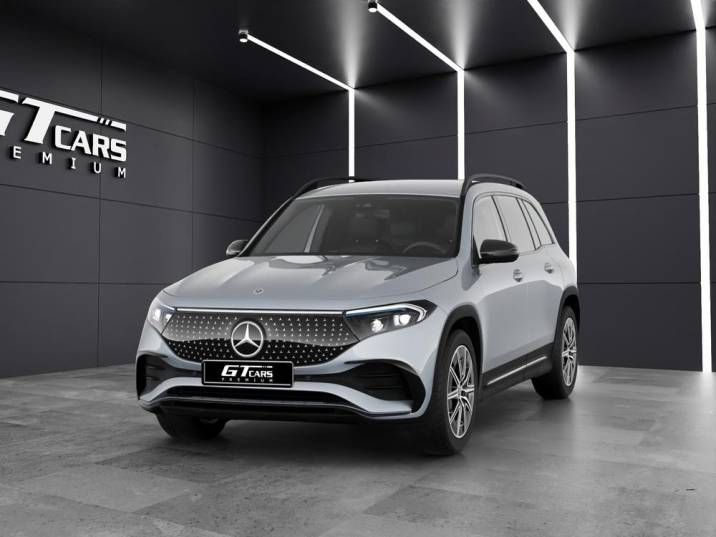
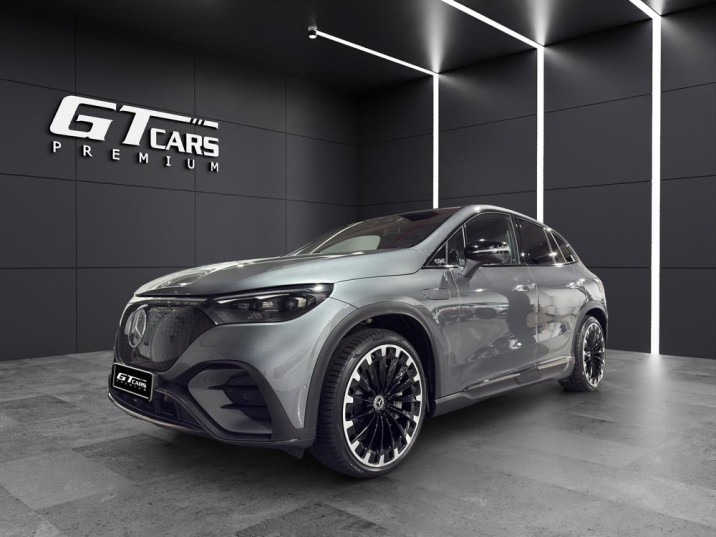
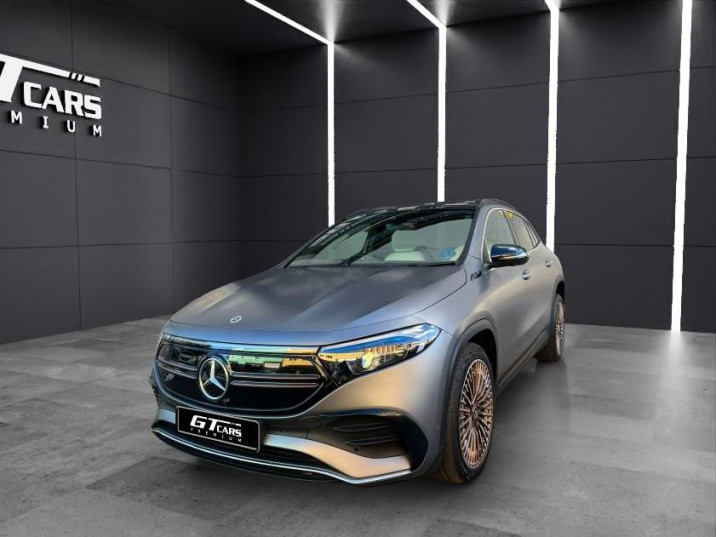
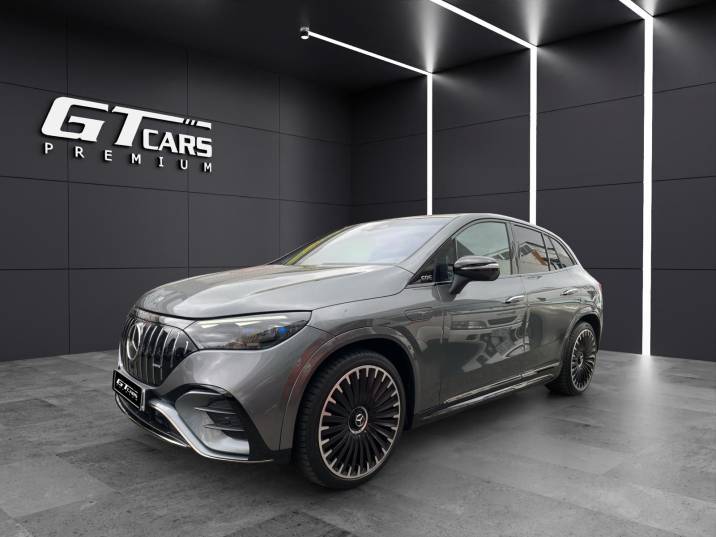
We work mainly with premium used and pre-registered electric cars: the Mercedes-Benz EQ range, the BMW i models, and cars from Mini, Volkswagen and Porsche. They all go through the same checks.
You can see what is available at any of our three showrooms under cars in stock, or come in and drive one. Half an hour behind the wheel settles the range question better than any article.